Beta-Glucan 1,3/1,6

Beta-Glucan 1,3/1,6
Beta-Glucan 1,3/1,6 is a concentrated immune-modulating polysaccharide supplement derived from beta-glucan — the same compound central to Liver Life's formula — in standalone capsule form for targeted Th1/Th2 immune balance support.* It is safe for use with autoimmune conditions due to its modulatory rather than stimulatory immune activity.*
The immune modulator that works by restoring balance — not by overstimulating an already-confused system.*
Immune modulation, not immune stimulation. That difference matters.*
Why we made Beta-Glucan 1,3/1,6
The immune system's job is to eliminate pathogens using Th1 cells, then clean up using Th2 cells. When pathogens evade this process and the immune system can't eliminate them, the result is immune confusion — Th2 cells create antibodies against healthy tissues, Th1 cells target those antibodies, and autoimmune conditions develop. Most immune supplements stimulate the system, which can make autoimmune conditions worse. Beta-glucan 1,3/1,6 is specifically researched for its modulatory effect: restoring the balance between Th1 and Th2 rather than simply stimulating either one.* This makes it one of the few immune compounds documented as safe for autoimmune conditions.*
What's inside
Beta-Glucan 1,3/1,6 — Concentrated polysaccharide from a validated source, standardized for 1,3 and 1,6 linkages that drive the immune-modulatory activity.*
Beta-Glucan 1,3/1,6 is designed to support:
- Healthy Th1/Th2 immune balance and immune modulation*
- Cellular defense against invading pathogens — viral, bacterial, fungal*
- Immune function in autoimmune-sensitive individuals who cannot use stimulating immune supplements*
- Prebiotic gut health and microbiome support*
- Healthy cholesterol levels*
- Healthy inflammatory response*
Who this is for
- Adults with autoimmune conditions who want immune support safe for their specific situation.
- People with chronic infections or immune dysfunction that hasn't responded to stimulating immune supplements.
- Those running the LF immune protocol who want the standalone beta-glucan component.
How to use
Take on an empty stomach for optimal absorption — beta-glucan's immune activity is best expressed when not competing with digestive processing. Take as directed consistently for at least 60 days for full immune modulation assessment.*
Stack it with
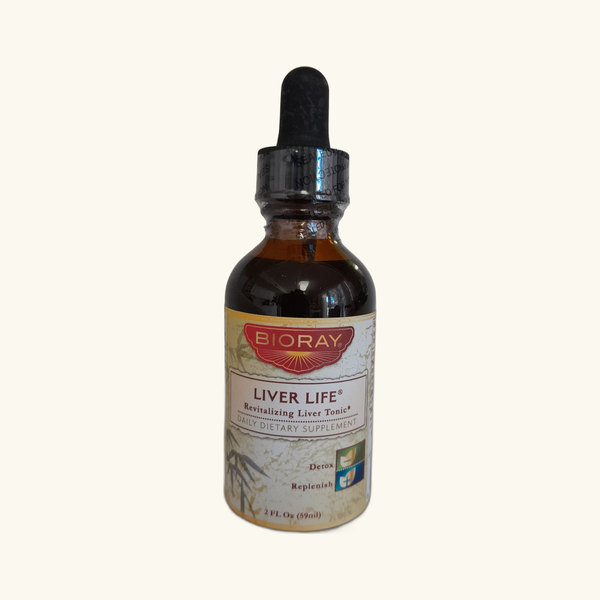
Liver Life — Beta-glucan is already a key component of Liver Life. Together they provide liver detox support alongside standalone immune modulation. The detox pathway and the immune system, supported simultaneously.*
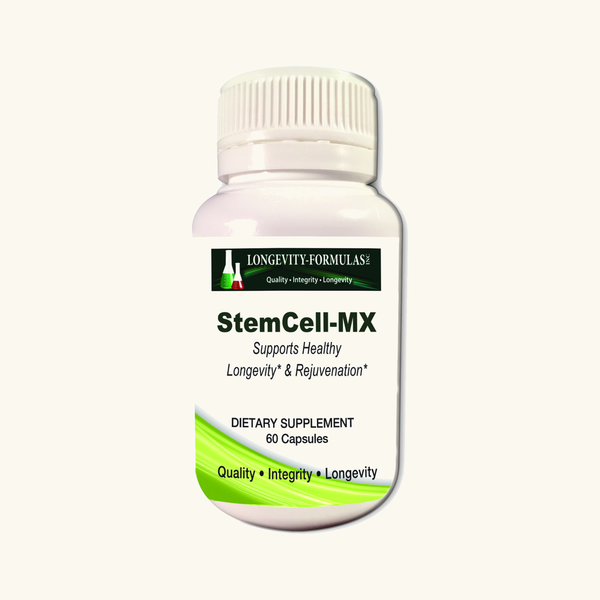
StemCell-MX — Cellular longevity and antioxidant support alongside immune modulation. Long-term cellular health from multiple angles.*
* These statements have not been evaluated by the Food and Drug Administration. This product is not intended to diagnose, treat, cure, or prevent any disease.
Full Product Information
Immunity 101
A well-functioning immune system is essential for staying healthy. A poorly functioning immune system is related to a wide range of ailments and complaints. The human body’s immune system includes the tonsils, spleen, bone marrow, lymph nodes and gut lining.
First and foremost, the role of the immune system is to kill invading pathogens using Th1 cells (T-cells) that circulate around the body. Th2 cells are activated if the Th1 cells are unable to subdue the invader. Once the Th2 cells (which contain cytokines) create antibodies the Th1 cells mobilize to “mop up” afterward. If the pathogens remain in the blood stream the immune system is supposed to be able to eliminate them.
Viruses, parasites, cancer cells and bacteria called bio-toxins or antigens are small enough to enter a cell. (H. pylori, Lyme, Strep, mononucleosis, norovirus and herpes viruses are common examples.) If this occurs the body puts a chemical “marker” on that cell. The body will then deploy lymphocytes and macrophages to surround and destroy that cell in order to eradicate the invader.
The Immune System Gone Haywire
Some pathogens are harder to kill than others and if the immune system cannot kill them, they are able to reproduce by removing the “marker”, sneaking into the bloodstream to reproduce and then hiding again inside of cells. The body continues to send out Th1 and Th2 cells but without success because the pathogens are illusive.
The confused Th2 cells then create antibodies against the body’s healthy tissues, depending on where the pathogens are hiding. The Th1 cells see those antibodies and seek to destroy them, and unfortunately, whatever tissues, gland or organ the antibodies are in is targeted. This attack by the T-cells repeats over and over and begins to destroy the tissues affected.
Heavy metals, pesticides, fertilizers and countless other chemicals can be inhaled or ingested. The immune system is not designed to respond to such non-living or inert substances. If the liver is unable to detoxify and eliminate the poisons, instead they are shunted to our cells (especially fat cells) for storage.
All it takes is a minor injury or trauma that causes inflammation or swelling for the Th1 cells to come out with guns blazing looking for something to conquer. Since there are no invading bacteria available, they find the heavy metals or toxins stored somewhere in the body to subdue instead. This attack can continue for a long time and may appear to be an autoimmune issue, but the body isn’t deliberately attacking itself; it’s attacking what is hidden away inside the fat cells in the joints, glands, skin, wherever.
Incidence and Triggers of Auto-Immune Problems
Women are diagnosed with this type of issue twice as often as men—6.4% of women as compared to 2.7% of men. It often starts during the childbearing years. The incidence is rising, which should be no surprise considering the environmental toxins to which we are continuously exposed. Researchers are investigating the effect of chemicals, high-fat, high-sugar and processed foods, antibiotics, and antiseptics. A zinc deficiency is a possible trigger in many cases.
Beta Glucan and Your Immunity
(β-glucan) Beta glucan is a unique type of soluble fiber that acts as a powerful immune system modulator. An immuno-modulator changes, or fine tunes, your immune system to make it as efficient as possible. This natural source of polysaccharides has been shown in hundreds of studies to be highly effective to support a healthy immune system.
In fact, beta glucan is the most studied natural immune system support supplement in the world. This unique molecule works by activating every immune system cell in the body: natural killer cells, basophils, macrophages, neutrophils, etc.!
Healthy Habits Beta Glucan 1,3/1,6
Since beta glucans have such precise effects, the type used must fit like a key in a lock*. The most studied source of beta glucan (and proven to be the most effective) is the 1,3/1,6 type from the cell walls of baker’s yeast—saccharomyces cerevisiae.
Beta glucans also have a beneficial effect on the gut microbiome. They function as a pre-biotic that feeds the billions of beneficial bacteria in the GI tract, which in turn manufactures important short-chain fatty acids which support the colon in its role to create healthy immunity, and to maintain a healthy colon.
Caution: Not recommended if taking anti-rejection drugs following an organ transplant. If you are taking immunosuppressant drugs consult your physician before taking beta glucan. Don’t quit prescribed medications without the guidance of your physician.
Beta glucans, particularly the “1,3/1,6” variety, fit like a key because their specific molecular structure perfectly matches the shape of receptors on immune cells, creating a “lock and key” interaction that triggers an immune response when they bind together; essentially, the unique configuration of the beta glucan molecule allows it to precisely fit into the receptor site on the immune cell, activating its function.
Beta Glucan 1,3/1,6 studies do not correlate with beta glucans from oats or barley. Those other sources can range widely in forms of Beta glucan chemically and structurally and have not been shown to be as effective in studies.